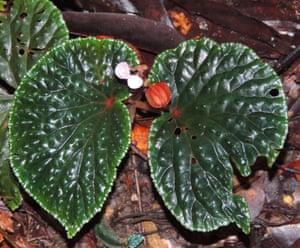
Begonia ruthiae was found along the trails of the Danum valley in Sabah, in one of the last remaining areas of unlogged lowland forest in Borneo. It was named after Dr Ruth Kiew, who has spent many years studying the limestone flora of both Borneo and peninsular Malaysia.
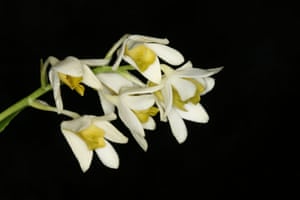
Among the new orchids discovered and published in 2015 isDendrobium cynthiae, named for its grower in the US, who acquired it from a dealer. The pretty white flowers have a green lip. The wild origin of the species is unknown, but believed to be New Guinea.
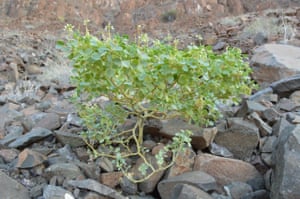
Perhaps the most exciting legume discovery of 2015 is Oberholzeria etendekaensis, a succulent shrublet, which is not only a new species but also in a new genus. It is known only from a single locality with 30 individuals in the Kaokoveld Centre of Plant Endemism, north-western Namibia.
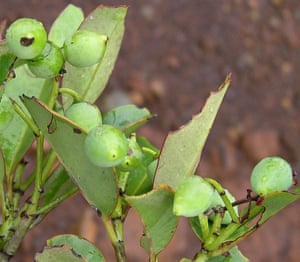
Four genera new to science were discovered in 2015. The first of these was Jaffrea, a shrub in the buckthorn family Rhamnaceae, which is specific to metal-rich soils in New Caledonia.
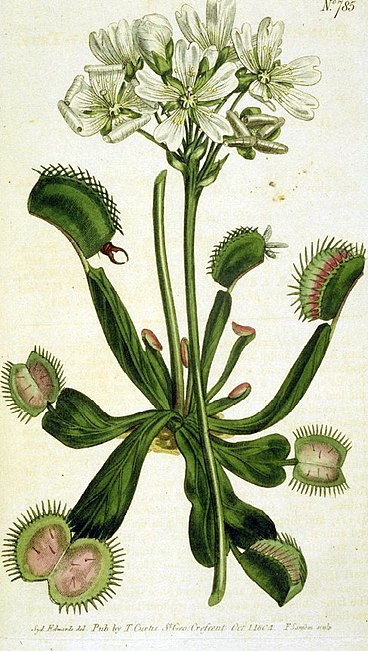
Dionaea muscipula: the Venus Fly Trap
The Venus Fly Trap is the most famous of all carnivorous plants due to the active and efficient nature of its unique traps. It may be famous, but it's also threatened. The plant's two hinged leaves are covered in ultra sensitive fine hairs that detect the presence of everything from ants to arachnids. Trigger the hairs and snap! The trap will shut in less than a second.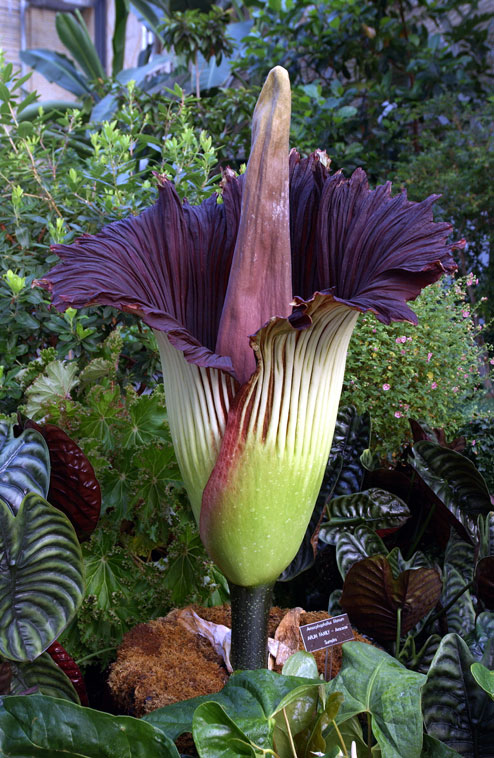
Amorphophallus titanum:the Corpse Flower
A flower taller than a man, stinking strongly of putrefying roadkill and colored deep burgundy to mimic rotting flesh, sounds like something from a low-budget science fiction movie. But Indonesia's titan arum—or "corpse flower," as known by locals—is a real, if rare, phenomenon, pollinated in the wild by carrion-seeking insects. This Indonesian plant, called titan arum or amorphophallus titanium, has the world's biggest inflorescence. Due to its fragrance, which is reminiscent of the smell of a decomposing mammal, the Titan Arum is also known as a carrion flower, the "Corpse flower", or "Corpse plant".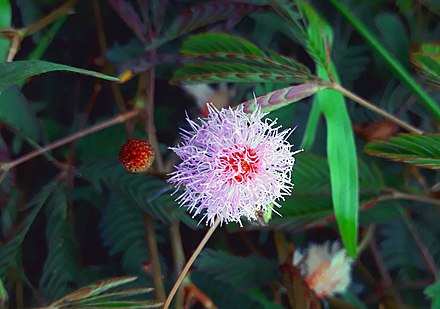
Mimosa púdica: the Shy Plant
Mimosa Pudica (pudica = shy), or the Sensitive Plant, has a curiosity value: the compound leaves fold inward and droop when touched or shaken, re-opening within minutes. The species is native to South America and Central America, but is now a pantropical weed. Who would know that plants have feelings too?
I haven't seen any of them in our place. ����
ReplyDeleteI'll try to plant jaffrea hmmm. Hahaha
ReplyDeleteNice blog
ReplyDeleteNice
ReplyDeleteNice
ReplyDeleteNAPAKAANGAS MARIE!
ReplyDeletePETMALU
ReplyDeleteNice
ReplyDeletepetmalu 😁
ReplyDeletelodi HAHAHA
ReplyDeleteNAKS
ReplyDeletei want that in my garden
ReplyDeletepetmalu
ReplyDeleteCreepy
ReplyDeleteits resourceful and i believe its 100 percent.
ReplyDeleteangas
ReplyDeletepetmalu...power!!!
ReplyDeleteThanks for the infos.
ReplyDeleteSalamat sa info
ReplyDeleteKagaling
ReplyDeleteNice
ReplyDeleteMay mga new information po kami nakuha thanks :)
ReplyDeleteChicken feet��
ReplyDelete